The content of the Rock Library is informational. The user is responsible for verifying the appropriateness of the information to their project together with specialized professionals.
Available finishes
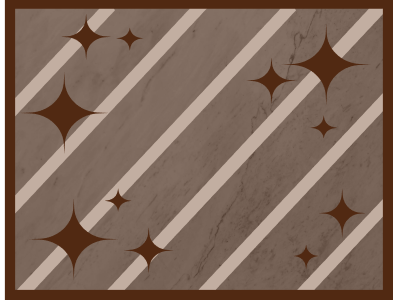
Polished
This finish gives the natural stone a shiny, smooth appearance. The color of the material can be intensified with toners and waterproofing agents. It is an ideal choice for internal floors, worktops, tables and decorative panels. However, it is not recommended
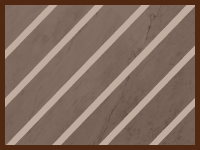
Levigado
Smooth surface with a velvety touch and a matte look. It brings out the natural color of the stone without any shine. It is ideal for floors, stairs, countertops, pool edges or any surface where water can get in, as it offers more traction than polished.
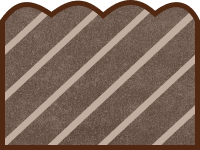
Brushed
A slightly uneven surface with a soft texture and a rustic look. It highlights the natural veins and reliefs of the stone. Ideal for indoor flooring, worktops in general, tables and panels.
Technical details
- Water absorptionThis is how much water the rock can "suck in" when it comes into contact with liquids. More porous stones tend to absorb more water, while others hardly absorb any at all. This is important when choosing materials for wet areas, such as kitchen worktops.
0,11% (muito baixa)
- Apparent porosityThis is how much "empty space" a rock has inside it. Imagine a sponge: it has lots of little holes through which air and water pass. Some rocks also have small pores that can absorb liquids or air, but on a much smaller scale than a sponge
0,37% (muito baixa)
Madeirus
Madeirus is brown with green veins. This material has low absorption, high resistance to abrasive wear, scratch resistance, resistance to staining and humidity. Its mineralogical composition is made up of Amphibole (48%), Feldspar (21%), Plagioclase (18%), Quartz (10%) and Biotite (3%).
Suitable places for use
 Panels
 Tables
 Kitchens
 Bathrooms
Specifications
- Colors
- Brown

- Brown
- HardnessThe higher the hardness of a rock, the more resistant it will be to scratches, that is, its resistance to abrasion. The closer to 10, the more resistant it will be to abrasion. The hardness used in Rock Library is from the Mohs Scale.5 | 7
- Reacts with acidsThe reaction with acids happens when a solution with acidic pH comes into contact with the rock, which releases a corrosion on the surface, removing part of the shine.No
- StructuresMovement, Veins
- StatesCeará
Where to find
- Magban